Common Misconceptions About Qigong and Meditation Debunked


Understanding Qigong and Meditation
Qigong and meditation are ancient practices often misunderstood in the modern world. Both have deep roots in Chinese philosophy and offer numerous health benefits. However, misconceptions can obscure their true value, leading to skepticism or misuse.
Misconception 1: Qigong and Meditation Are the Same
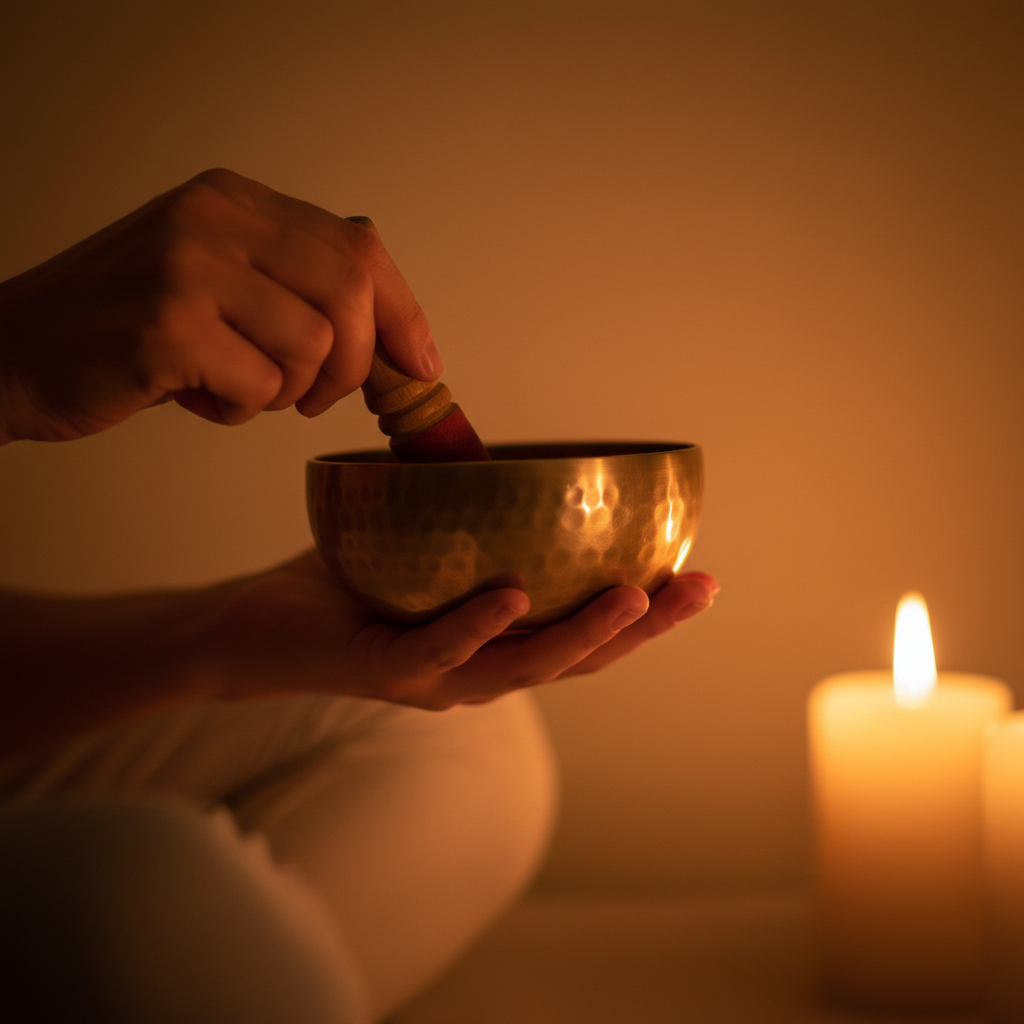
While both Qigong and meditation involve mindfulness and relaxation, they are distinct practices. Qigong is a form of exercise that combines movement, breathing, and meditation to cultivate energy or "qi." In contrast, meditation often focuses solely on mental discipline and relaxation without the physical component.
Misconception 2: Only for the Spiritually Inclined
Many people believe that Qigong and meditation are only for those on a spiritual path. In reality, they offer physical and mental health benefits accessible to anyone. These practices can reduce stress, improve concentration, and enhance overall well-being, regardless of spiritual beliefs.
Misconception 3: Requires Years of Practice for Benefits
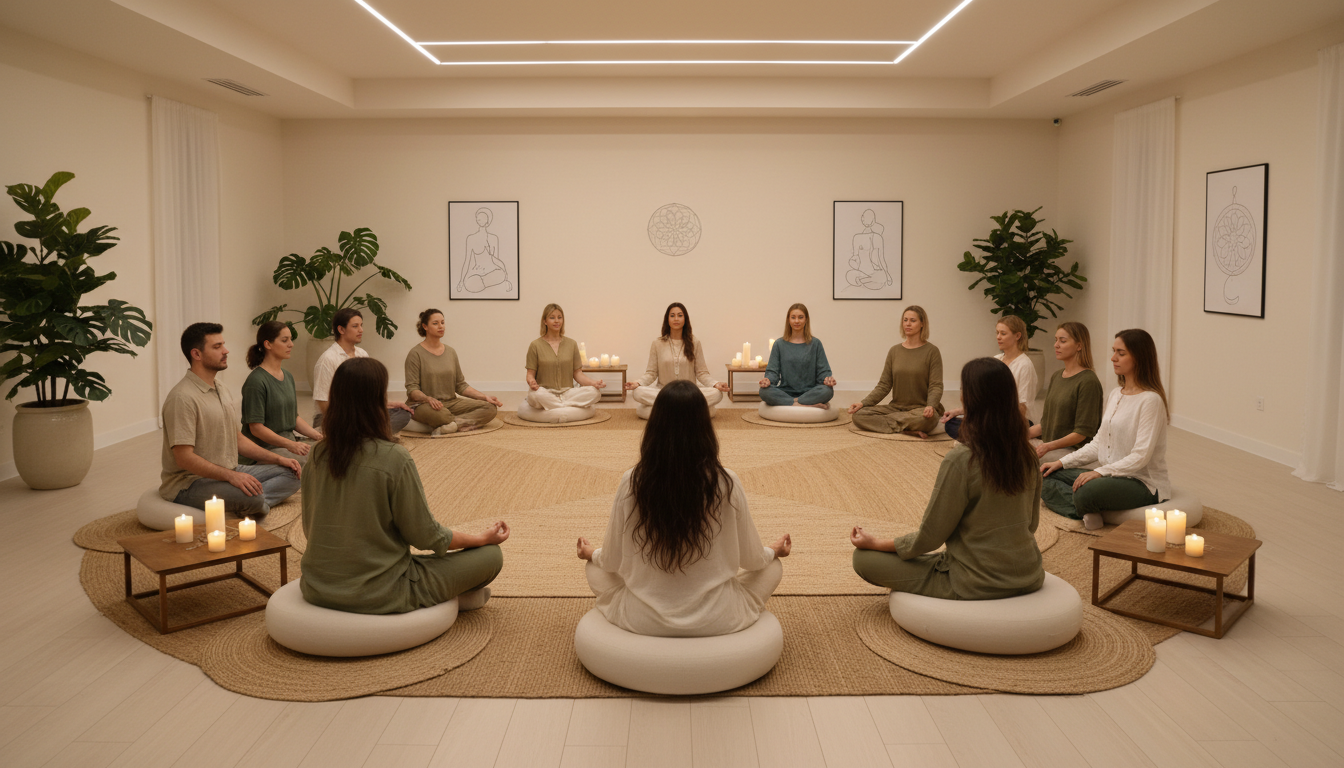
A common myth is that significant benefits from Qigong and meditation require years of practice. While mastery takes time, even beginners can experience positive effects such as reduced anxiety and improved mood with regular sessions.
Misconception 4: Too Time-Consuming
Some people avoid these practices thinking they require large time commitments. In reality, short, daily sessions can be highly effective. Even just 10-15 minutes a day can make a noticeable difference in stress levels and mental clarity.
Misconception 5: Only for Older Adults
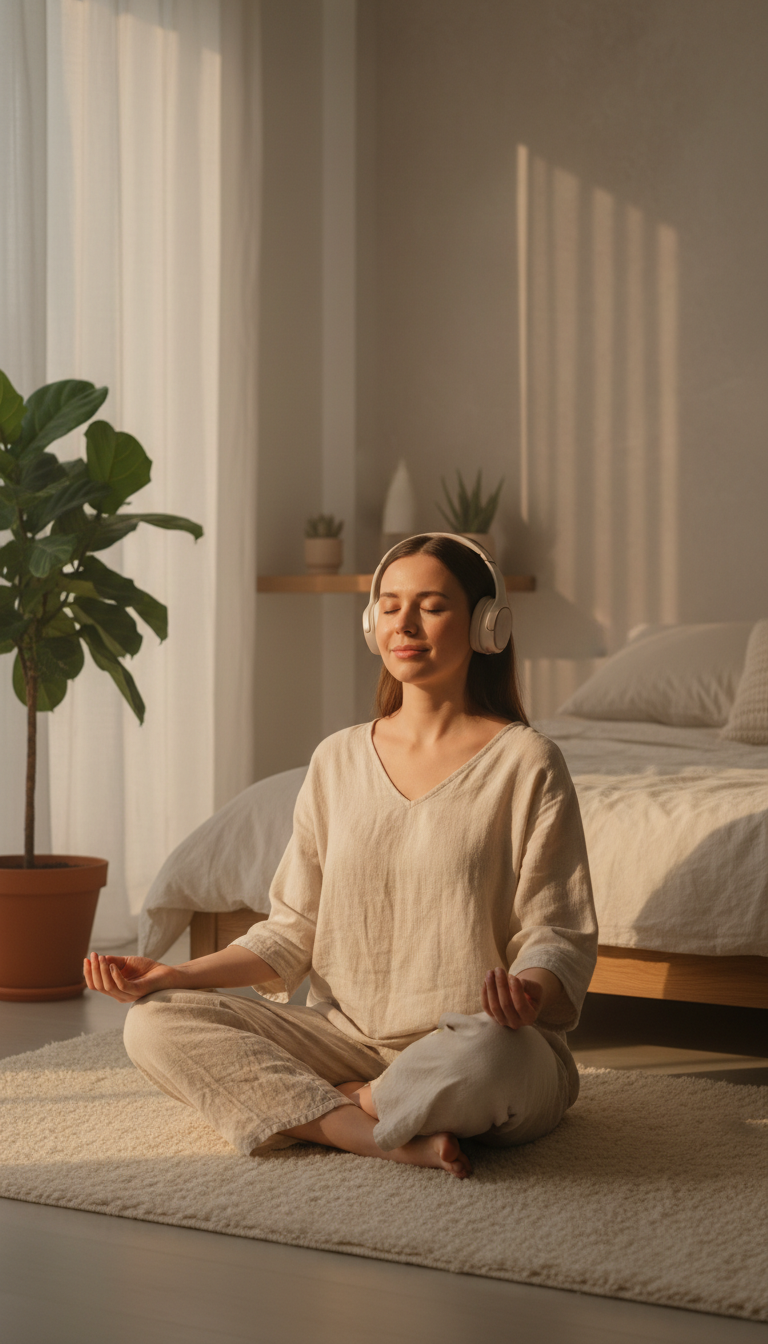
Qigong and meditation are often stereotyped as activities for older adults. However, they are beneficial for people of all ages. Young adults, teenagers, and even children can find value in these practices, enhancing focus, emotional balance, and physical health.
Conclusion: Embrace the True Benefits
By debunking these misconceptions, we can appreciate Qigong and meditation for their true benefits. Incorporating these practices into daily life can lead to improved health and well-being, making them worthwhile for anyone seeking balance and peace.