A Guide to Qigong for Neck and Shoulder Tension


Understanding Qigong
Qigong is an ancient Chinese practice that combines gentle movements, meditation, and controlled breathing to promote physical and mental well-being. It's particularly effective for relieving tension and stress, making it an excellent choice for those suffering from neck and shoulder discomfort. By incorporating qigong into your routine, you can enhance flexibility, improve posture, and reduce pain.
Unlike more vigorous exercises, qigong is accessible to people of all ages and fitness levels. Its focus on slow, deliberate movements allows practitioners to connect with their bodies, fostering a sense of calm and relaxation. This makes it a perfect remedy for tension caused by modern lifestyles.

Benefits of Qigong for Neck and Shoulder Tension
Qigong offers numerous benefits for those experiencing neck and shoulder tension. By promoting relaxation and improving circulation, it helps alleviate tightness and stiffness in these areas. Additionally, qigong enhances body awareness, enabling you to identify and release tension more effectively.
Some key benefits include:
- Improved Flexibility: Regular practice can increase the range of motion in your neck and shoulders.
- Reduced Stress: The meditative aspect of qigong helps calm the mind, reducing stress-related tension.
- Better Posture: By strengthening muscles and promoting alignment, qigong can improve overall posture.

Basic Qigong Exercises
Starting with simple qigong exercises can be a great way to ease into the practice. Here are a few exercises specifically targeted at relieving neck and shoulder tension:
- Neck Rolls: Gently roll your head in a circular motion, first clockwise and then counterclockwise. This helps release tension in the neck.
- Shoulder Circles: With arms relaxed at your sides, slowly rotate your shoulders forward and backward to loosen tight muscles.
- Arm Lifts: Raise your arms gently to shoulder height and lower them, synchronizing your breath with the movement.
These exercises can be performed daily and will gradually contribute to a significant reduction in tension.
Incorporating Qigong into Your Routine
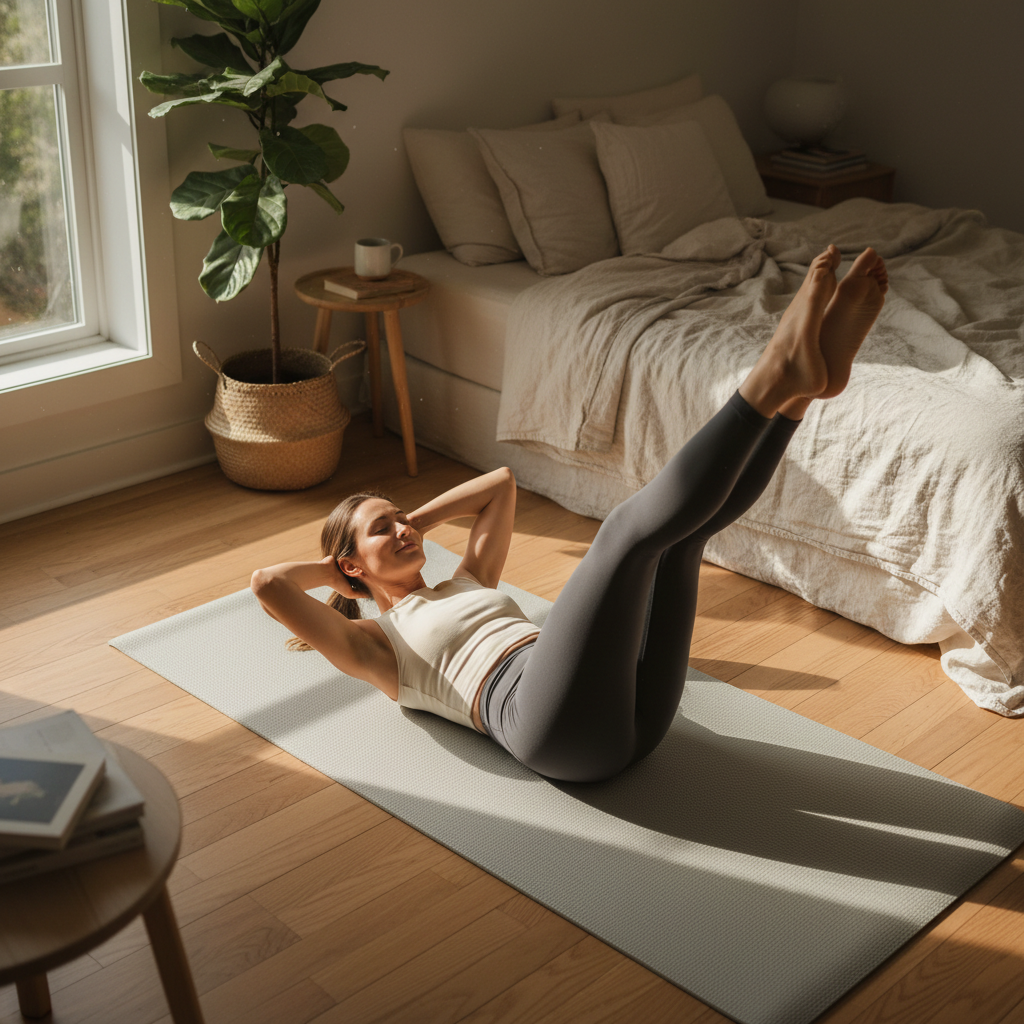
To experience the full benefits of qigong, it's essential to practice consistently. Aim to incorporate qigong into your daily routine, even if only for a few minutes each day. Find a quiet space where you can focus without distractions, and consider joining a class or following online tutorials to ensure proper technique.
Remember, the key to success with qigong is patience and persistence. As you become more familiar with the movements, you'll likely find it easier to relax and enjoy the practice.

Conclusion
Qigong is a powerful tool for managing neck and shoulder tension, offering a holistic approach to well-being. By engaging in regular practice, you can enjoy increased flexibility, reduced stress, and improved posture. Whether you're new to qigong or looking to deepen your practice, these exercises provide a gentle yet effective way to enhance your physical and mental health.
Embrace the journey of qigong and discover the profound impact it can have on your life. Begin today and take the first step towards a healthier, more balanced you.